Birth Injury Claim Solicitors
The birth of a child is meant to be a joyous and life-changing moment for your family.
However, when something goes wrong during pregnancy or labour, that joy can be shattered. What should be a momentous experience becomes one filled with trauma, heartbreak, and lasting pain.
If you or your baby have suffered a birth injury due to medical negligence, the emotional and physical toll can be overwhelming. No mother should have to endure such suffering, especially when it could have been prevented.
We understand the deep impact an avoidable birth injury can have: whether on your own health, your baby’s well-being, or your family’s future. With care, compassion, and unwavering support, we will stand by your side, helping you seek the answers, justice, and financial compensation you deserve.
How our maternity negligence solicitors can support you
At Rothera Bray, you are our priority. We realise that every birth injury case is deeply personal, which is why we take the time to truly listen to your story. Your experience matters, and we ensure your case receives the attention, dedication, and expertise it deserves.
We intentionally keep our caseloads small so we can devote substantial time to your claim, acting swiftly on your behalf. From the very beginning, we focus not only on securing justice and compensation but also on providing you with the support and guidance needed to rebuild and move forward with confidence.
A dedicated member of our team will handle your case with care, sensitivity, and compassion, ensuring you feel heard, understood, and reassured throughout the process.
- Clear, honest advice every step of the way
- Specialist expertise in maternity medical negligence, including individual and group action claims
- Regular updates so you’re always informed about your case’s progress
- Flexible communication options – in-person, virtual appointments, or home visits
- Proactive approach to securing interim payments before your case is resolved
- No financial risk – ‘no win, no fee’ funding with no costs up front
- Access to vital support services, including serious injury specialists and emotional well-being assistance
Our expertise in birth injury compensation claims
We specialise in acting in compensation claims for a range of birth injuries affecting both mothers and babies, including:
Childbirth injuries to mothers
- haemorrhage – excessive bleeding leading to severe complications
- perineal tear injuries – damage during delivery causing pain and long-term issues
- bowel and bladder damage – leading to incontinence and significant lifestyle changes
- sexual dysfunction – resulting from birth trauma or negligent care
- fertility complications – caused by medical negligence
- psychiatric trauma following stillbirth – emotional suffering after loss
- psychiatric trauma following postnatal death – severe mental health impacts due to medical negligence
Childbirth injuries to babies
- hypoxic brain injury – lack of oxygen at birth, leading to severe disabilities
- cerebral palsy – caused by birth complications and medical negligence
- stillbirth – due to preventable medical errors
- injury or death from negligent postnatal care – failures leading to devastating consequences
We are here to fight for justice, financial compensation, and the answers you deserve. You don’t have to go through this alone. Let us support you every step of the way.
Baby losses
Losing a child is heartbreaking. If you need support at the inquest, we’re able to represent you and ask questions on your behalf.
Support at Coroner's Inquests
Holistic support throughout your birth injury claim
We understand that your birth injury claim is about more than just financial compensation. It’s about helping you rebuild your life. We are here to support you in every way possible, whether that means securing the medical treatment, rehabilitation, or the emotional care you need to move forward.
We can help you obtain birth trauma compensation to cover medical expenses, ongoing care, and rehabilitation costs, as well as replace lost income and other financial burdens. Our goal is to provide you and your family with financial security and access to the best possible care, ensuring the best quality of life for you and your child.
Your dedicated birth injury solicitor will stand by your side, offering guidance, reassurance, and unwavering support throughout your entire claim.
Reach out to us today for a free, no-obligation consultation, and let us help you take the next step toward justice and moving on with your life.
Leading clinical negligence lawyers
Discussing a birth trauma claim can be incredibly difficult and emotional. That’s why we ensure you are matched with a solicitor you feel safe and comfortable with: someone who will listen with compassion and support you every step of the way.
Our specialist team has extensive experience handling group action claims related to gynaecological and fertility injuries, including working alongside police investigations and liaising with law enforcement teams when required.
Why choose us?
- Award-winning expertise: Serious Injury Consultant Julie Walker won Clinical Negligence Lawyer of the Year 2024 at the Personal Injury Awards, and our team was honoured as Catastrophic Injury Team of the Year
- High-profile cases: we are currently representing clients in the Nottingham Maternity Investigation, the largest maternity scandal in NHS history, and are appointed legal representatives for the Nottingham Inquiry into the Nottingham attacks of June 2023
- Life-changing cases: we are handling a high-value brain injury claim for a child who suffered a hypoxic brain injury due to neonatal complications and surgery. We are also acting for another child who will suffer lifelong developmental delay due to severe malnourishment and neglect.
We recognise that for many families, seeking answers and preventing future negligence is just as important as financial compensation. If your priority is securing an apology and ensuring that no one else suffers the same experience, we are here to fight for those answers on your behalf.
The maternity negligence claim process
We know that taking the first step in making a birth negligence claim can feel overwhelming. That’s why we’re here to guide you through the process with care, clarity, and compassion.
Your journey with us begins with a relaxed, no-pressure consultation with a specialist maternity negligence solicitor. This is simply a conversation to understand what happened, explore your options, and answer any questions you may have. There’s no obligation to proceed and absolutely no cost for this initial discussion.
This initial discussion can be in-person or virtual; we support clients across the UK. We can arrange a home or hospital visit if that’s more convenient for you, or you’re welcome to meet us at one of our eight offices, including locations in Nottingham, Leicester, and Derby.
After our initial meeting, we will assess the strength of your case and discuss the likelihood of success. If you choose to instruct us, we’ll start working on your claim immediately, ensuring no delays in seeking the justice and compensation you deserve.
We prioritise:
- securing a successful outcome for your claim
- maximising the compensation you receive
- helping you get the answers you need to move forward with your life
You don’t have to face this alone. We’re here to support you every step of the way. Call or message us today.
Meet Our Medical Negligence LawyersGet in touch
Maternity provision in the UK scrutinised – Ockenden Reviews – Nottingham and Leeds
In recent years maternity provision within the UK has been under close scrutiny. Many families have stepped forward to voice their concerns about the treatment provided to parents and their unborn child.
Donna Ockenden has undertaken the largest investigation into maternity care that the NHS has seen to identify the systemic failures which have led to mothers and babies sustaining avoidable catastrophic injuries.
Nottingham University Hospitals NHS Trust’s provision of maternity services has been scrutinised following a number of baby deaths and injuries at both Nottingham City Hospital and the Queen’s Medical Centre. The Nottingham Ockenden report was released on 26 June 2026. The Ockenden review team will be continuing to contact families involved in the review until the end of 2026 with an assessment and categorisation of each individual case.
Other Midlands hospitals have been ranked as ‘requires improvement’ by the Care Quality Commission.
Ockenden has now been appointed to investigate maternity and neonatal services at Leeds Teaching Hospitals NHS Trust following a campaign by bereaved and harmed families. Although the full terms of reference for the review are yet to be agreed, it is expected “to involve case reviews of stillbirths, neonatal deaths and serious injuries, hypoxic injuries and maternal deaths” between 1 January 2011 and 31 December 2025.
The review will operate on an opt-out basis, with cases that meet the terms of reference automatically included unless families choose otherwise.
If you have been affected, please contact our specialist team for support and guidance.

“We will carefully consider your specific circumstances and make certain that you are fully supported throughout your claim, and that you receive proper and correct compensation.”
Julie Walker
Serious Injury Consultant

“It’s important to us that we help you find answers and rebuild your life.”
Partner and Head of Clinical Negligence

“We’ll listen to you with respect and empathy, and be honest about the potential outcomes”
Partner and Head of Personal Injury

FAQs
Doctors and midwives have a duty of care to look after you and your baby during pregnancy, labour, birth and in the postnatal period (after birth).
If the medical professionals treating you and your baby breach their duty of care, and you think that you or your baby may have suffered an injury or sadly died as a result, then you may be able to claim compensation for medical negligence.
We support both mothers and babies affected by devastating and life changing injuries caused by maternity negligence.
In a medical negligence claim we investigate the treatment you have received. We instruct medical experts to examine your case and assess the treatment provided to you and whether that fell below the reasonable standard. We also liaise with the medical organisations who were responsible for your care. This process may result in changes being made to the treatment they provide to future patients.
If we investigate and successfully prove a claim, then we would ask the medical organisation and/or medical professional who treated you to compensate you and/or your baby for any injuries you suffered.
To successfully claim for medical negligence, we must prove that there has been:
1) Breach of duty – that a medical professional has acted in a way that a reasonable body of medical professionals (at that time and with the same level of experience) would not have acted.
2) That any breach of duty has caused or contributed to any injury suffered and associated financial losses. We call this causation.
We must prove both breach of duty and causation with supportive expert evidence to prove a claim for medical negligence.
When a pregnancy ends before 23 weeks of gestation, it is termed a miscarriage or late foetal loss. Medical negligence can sadly cause a miscarriage. Medical negligence can also result in a delayed diagnosis of miscarriage, misdiagnosis of miscarriage and incorrect treatment during/following miscarriage – all of which can cause further emotional and physical harm.
After 24 weeks of pregnancy if a baby dies in the womb or during birth then this is termed a “still birth”. Medical negligence can result in incorrect treatment, delayed diagnosis of foetal distress, delays to the birth, failing to use alternative birthing methods and techniques and sadly may result in a baby being still born.
We understand that losing a baby at any gestational age is devastating and life altering, and we are experts at supporting and guiding you through your claim.
Your treating doctors and midwives should treat you and your baby with the utmost respect and care during pregnancy, childbirth and the post-natal period. Examples of disrespectful maternity care include any physical, verbal, emotional and sexual abuse, failing to properly communicate and failing to obtain informed consent.
Respectful maternity care is patient centred and equitable for all patients. Respectful care includes treatment which is free from discrimination, disrespect or abuse. Respectful care includes informed patient consent, dignity, privacy, safety, and proper communication.
All people, injuries and medical negligence cases are different.
Any compensation awarded by the NHS (or any private treating hospital or medical professional) depends on multiple factors. These factors include the severity of the injury you or your child suffered, the impact that it has had on your lives, the need for any future treatment or therapies, the need for future care, and the impact any injury has had on your past and future finances.
As part of the process of supporting you with a medical negligence claim we assess the impact that the injury has had on you and your finances, value your claim, and discuss this with you.
We cannot guarantee that compensation will be secured in all cases, but if your claim is successful then we will ask the organisation or person responsible to compensate you for the injury and financial losses you have suffered.
All people, injuries and medical negligence cases are different.
We cannot guarantee that compensation will be secured in all cases. But if we can prove negligence in your claim, the value of your claim will be fully assessed, and we will expertly advise you.
If your case is successful then the compensation you receive will depend on the severity of the injury, the impact on your life and the effect of the injury upon your finances.
As part of your claim for compensation, we will investigate the following:
General damages/PSLA (pain, suffering and loss of amenity)
This is compensation to reflect the nature and extent of your injuries, and any effect they have had on your general lifestyle both past and future.
The figure claimed for general damages will depend upon the medical evidence which we obtain in your claim.
Special damages
We will also claim for special damages which are any financial losses you have had (past losses) or will have in the future (future losses), as a result of your injuries.
The types of expenses we can recover include travel expenses to appointments/treatment, prescription costs and private treatment costs. You may also be able to recover loss of earnings, and any other losses which may be appropriate, for example care costs, aids and equipment, changes to your accommodation etc.
This is called ‘general damages’.
This is compensation to reflect the nature and extent of your injuries, and any effect they have had on your general lifestyle, both past and future.
The figure claimed for general damages will depend upon the medical evidence we obtain in your claim, the severity of the injury that you or your child has suffered, how the injury has affected you, and the length of time that the injury will affect you for.
Yes, many claims settle outside of the court process.
Many medical negligence cases settle before legal proceedings are issued in court, or whilst the case is in the court process but before the claim has reached a court hearing or trial. However, not all cases are successful, and we cannot guarantee that you will succeed with your case.
The grounds for suing the NHS, or any private medical treatment facility or private medical professional, vary depending on the circumstances of each case.
Every person, pregnancy, birth and antenatal period is different. All cases and the allegations of negligence are different. We are experts at tailoring our advice and approach for each individual case.
To prove a successful claim in any medical negligence we must prove a breach of duty of care has occurred, and this has caused and/or contributed to an injury you (or your baby) have suffered, and any associated financial losses.
We are required to prove this with supportive independent expert evidence. See the answer above – “What is classed as medical negligence” – for more information.
In the event that there have been breaches of the duty of care that you and/or your baby are entitled to, and you have suffered psychological harm as a result, then you may be able to claim for the psychological injury you have suffered, or for the worsening of any pre-existing psychological condition(s) you may have had.
We understand that pregnancy, birth and the postnatal period can be distressing and traumatic. Our friendly and supportive team are experts at supporting you when discussing your case with you.
See the answer above – “What is classed as medical negligence” = for how a claim for medical negligence is proven.
To assess if maternity negligence has affected you psychologically, we would recommend that you are examined by an independent psychiatry expert or psychologist.
They would assess if you have been psychologically injured because of maternity negligence, or whether any pre-existing psychological condition(s) have been worsened as a result of maternity negligence.
The psychological injuries experienced due to maternity negligence differ in each case. The value of injury depends on the severity of the injury, the effect on your life, and any need for future treatment.
We cannot guarantee compensation in all cases, but if your claim is proven we would claim any psychological injury as part of any “general damages” compensation awarded to you.
We would also claim for any effect the psychological injury has had on your past and future finances, for example any treatment you require, or any past or future loss of earnings.
Other areas where can assist you:

Time limits for abuse claims have changed – what you need to know
The law for bringing civil claims for child sexual abuse has changed. As of 29 June 2026, the three-year time limit for bringing these claims has been removed.

Ockenden Review into Nottingham maternity services published
The long-anticipated Ockenden Review into maternity services at Nottingham University Hospitals NHS Trust (NUH) has now been published.
A paralegal perspective on working on the Nottingham Inquiry
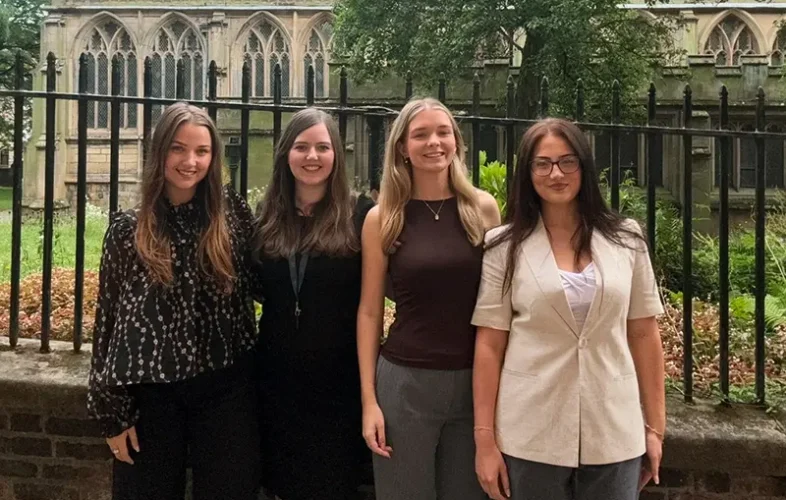
The Nottingham Inquiry represents one of the most significant and sensitive matters our teams have supported, following the tragic events in Nottingham in June 2023.
Working alongside our lawyers and Counsel, our paralegals have played a vital role both at hearings and behind the scenes, supporting our clients Wayne Birkett and Sharon Miller.

Supporting families affected by baby loss in the UK
Claire Cooper, Senior Associate in Rothera Bray’s Medical Negligence team, reflects on the importance of Sands and Sands Awareness Week, and the vital role support services play for families affected by baby loss.
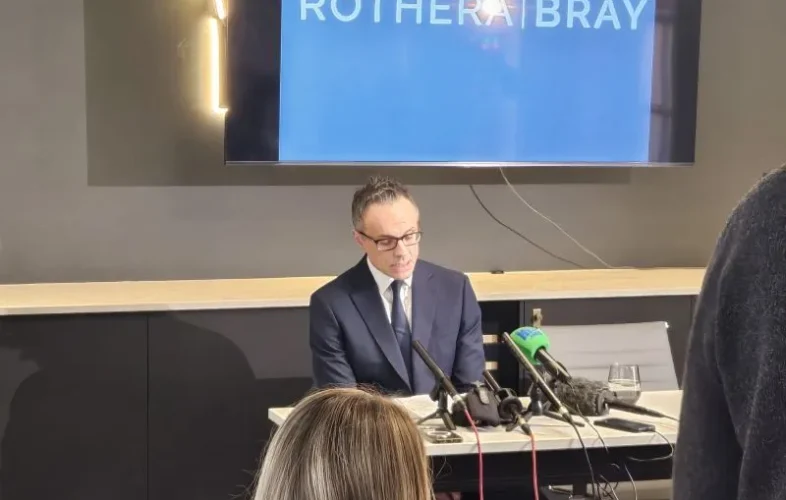
Statement from Greg Almond following conclusion of Nottingham Public Inquiry hearings
Following the conclusion of the hearings at the Nottingham Public Inquiry, Serious Injury Partner Greg Almond, who represents Nottingham Attacks survivors Wayne Birkett and Sharon Miller, has issued the following statement.

Family calls for better understanding of ketamine addiction to help reduce drug-related deaths
Ann Moralee, the mother of Isabelle Sapherson-Moralee, 22 – lovingly known as ‘Izzy’ – has spoken about the devastation her death from ketamine addiction has caused. She hopes that better education and training about ketamine addiction will help ensure that no other parent has to go through the same ordeal.

Nottingham attacks survivors’ solicitor responds to unlawful access of victims’ medical records
Greg Almond, our Serious Personal Injury Partner, represents two of the surviving victims of the Nottingham attacks Wayne Birkett and Sharon Miller. He has issued a statement in response to the Nottingham University Hospital NHS Trust confirming that 11 staff members have been dismissed for unlawfully accessing the medical records of the Nottingham Attack’s victims.
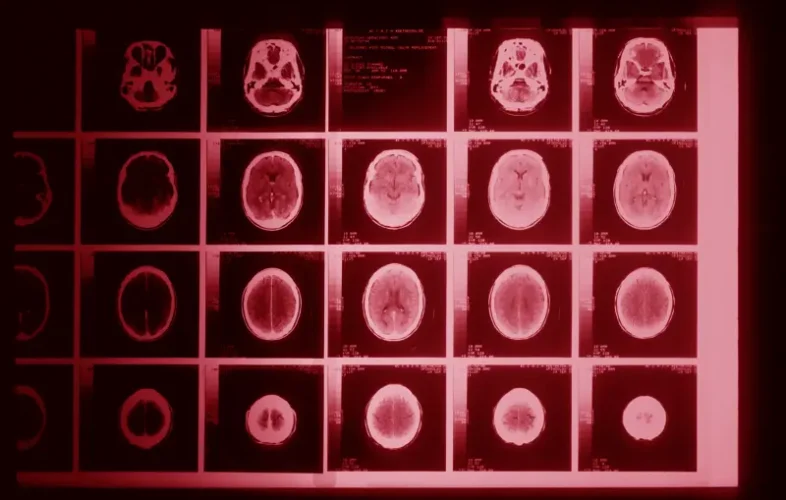
A guide to brain injury claims
A brain injury can change a life in an instant. Whatever the cause, the impact can be complex, long‑lasting and deeply personal.