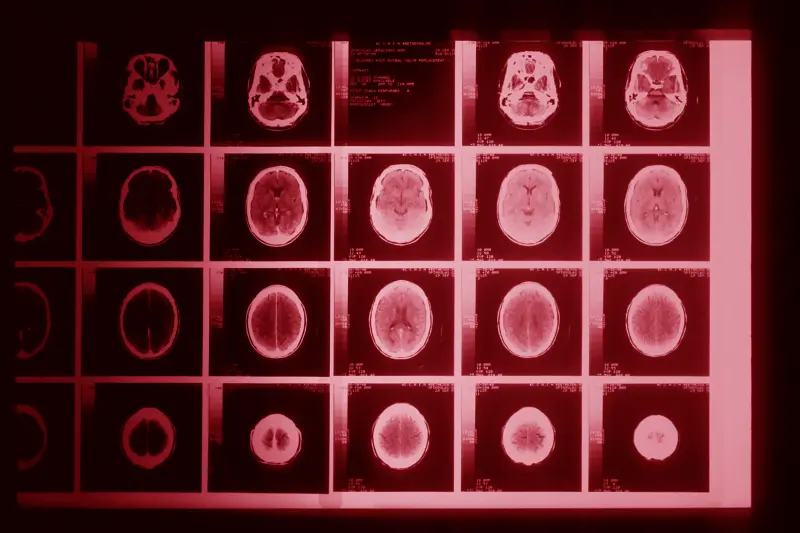

To mark Action for Brain Injury Week (18–24 May), Serious Injury and Clinical Negligence Partner Ian Johnson explains different types of brain injury and how they can affect daily life. He covers how legal support can help people access care, rehabilitation and financial security following a brain injury.
What is a brain injury?
A brain injury occurs when an outside force affects the brain. This may result from a direct blow to the head, or from a sudden movement of the head and neck — such as a whiplash‑type injury — even where there is no impact to the head itself.
Brain injuries are not always immediately obvious. Someone may be awake and aware following an accident, but still experience confusion, disorientation, memory loss or changes in behaviour. These effects can be frightening and are often misunderstood.
How serious is a brain injury?
Brain injuries are generally classified as minor, moderate or severe. However, it’s important to remember that the impact of any brain injury is unique to the individual, and even a so‑called “minor” injury can have life altering consequences.
Minor head injury
A minor head injury may involve a brief loss of consciousness or symptoms such as nausea, dizziness and headaches. These injuries can arise from everyday incidents such as slipping on a pavement, a sports collision or an assault.
Common symptoms include:
- Headaches
- Nausea
- Dizziness
- Extreme tiredness
- Sensitivity to light and noise
While ongoing problems are less common, they do occur and are often misunderstood. Because there may be no outward signs of injury, people can feel dismissed or not believed, adding further emotional strain.
Moderate head injury
A moderate head injury is usually defined as:
- Loss of consciousness for 15 minutes or more, or
- Post‑Traumatic Amnesia lasting around 24 hours
People with moderate brain injuries often experience longer‑term symptoms, such as:
- Persistent fatigue
- Headaches and dizziness
- Memory and concentration problems
- Difficulties with planning, organising and problem‑solving
- Word‑finding and communication issues
- Irritability or changes in mood
For many, symptoms gradually improve, but recovery can take months, and sometimes up to a year or more.
Severe head injury
A severe brain injury may involve unconsciousness for hours or days, or Post‑Traumatic Amnesia lasting longer than 24 hours. Individuals will require hospital treatment and, once stable, specialist rehabilitation.
Ongoing support is often essential. Many people with severe brain injuries struggle with appointments, organisation or travel, meaning they can inadvertently “drop out” of the system. Missing just a small number of appointments can sometimes result in rehabilitation being withdrawn, leaving families feeling overwhelmed and isolated.
Why complications can develop after a brain injury
Additional injuries can complicate recovery. Blood loss elsewhere in the body may restrict oxygen supply to the brain, while swelling, bruising or bleeding within the skull can place dangerous pressure on brain tissue.
Because the skull is a fixed space, swelling has nowhere to go, making these secondary injuries extremely serious. Damage to different areas of the brain affects different functions. For example:
- Injury to the left side of the brain often impacts speech and language
- Damage to the frontal lobes may result in changes to personality, impulse control and behaviour
These “hidden disabilities” are among the most challenging aspects of living with a brain injury.
Rehabilitation and long‑term recovery
Rehabilitation aims to help people regain lost skills and develop strategies to cope with ongoing difficulties. The goal is always to maximise independence, quality of life and social participation.
While the greatest visible progress often occurs within the first six months, recovery doesn’t stop after two years. Many people continue to make meaningful improvements five, ten or even more years after their injury.
Rehabilitation usually has two key stages:
- Formal intervention led by healthcare professionals
- Ongoing support from family members, carers and community services
Organisations like Headway play a crucial role here, offering practical help, social connection and emotional support long after hospital treatment ends.
Can I claim compensation for a brain injury?
If your brain injury was caused wholly or partly by someone else’s negligence, for example in a road traffic accident, workplace incident or assault, you may be entitled to make a compensation claim.
Brain injury claims are complex, so it’s essential to seek advice from a solicitor who specialises in this area. Compensation is not just about what happened in the past. It’s about securing the resources needed for the future.
A claim may take into account:
- Pain and suffering
- Loss of quality of life
- Past and future loss of earnings
- Pension loss
- Cost of care and support
- Adaptations to your home
- Specialist equipment
- Ongoing rehabilitation and treatment
Because brain injuries often take time to fully assess, claims can take several years to conclude. Most must be started within three years of the incident, although exceptions do apply, particularly where a person lacks mental capacity.
Supporting Action for Brain Injury Week
During Action for Brain Injury Week we are proud to highlight our long‑standing relationship with Headway Nottingham, a charity we actively support. Our Serious Injury Partner, Greg Almond, is a Trustee of the charity and recently ran the London Marathon to raise vital funds for their work.
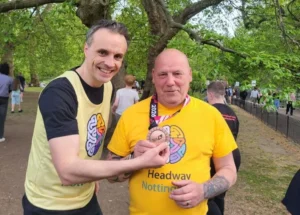
Headway Nottingham has also provided exceptional support to our client Wayne Birkett, following the Nottingham attacks, demonstrating first‑hand the life‑changing impact of their services. Their commitment to supporting individuals and families affected by brain injury makes a profound difference within our local community.
If you or a loved one has suffered a brain or head injury and feel the effects are ongoing, specialist legal advice can help you move forward with confidence.
Contact our experienced Serious Personal Injury team on 03456 465465 or email enquiries@rotherabray.co.uk
Disclaimer: This blog is for information only and does not constitute legal advice. If you need legal advice, please contact us on 03456 465 465 or email enquiries@rotherabray.co.uk to get tailored advice specific to your circumstances from our qualified lawyers.