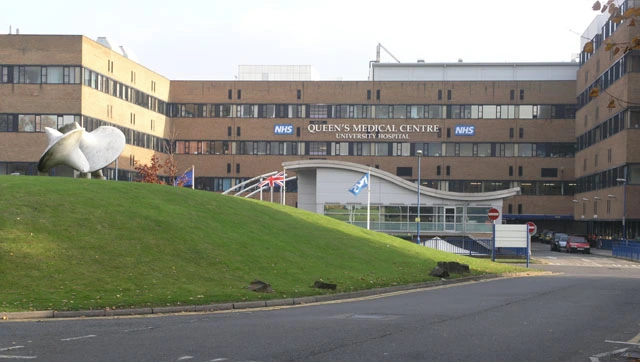
Claire Cooper, Senior Associate Solicitor in Clinical Negligence, outlines the key findings, why they matter, and what happens next for affected families.
Key findings and outcomes of the Ockenden Review
The Ockenden Review has identified serious and repeated concerns in the care provided to families at NUH, raising significant issues about patient safety, clinical practice, and organisational culture.
While the review spans thousands of cases, its findings highlight patterns of concern rather than isolated incidents, with the central question being whether improved care could have led to different outcomes.
Many families have shown immense courage in speaking out about their devastating experiences, and the release of this report is deeply emotional and incredibly important. Our thoughts are with all families included in the review, as they are with all families affected by substandard maternity care across the country. Families need to know that their experiences will lead to change. That means better communication, safer systems and a culture that listens to concerns and acts on them.
Main concerns identified
Timeline of Concerns
The Report confirms concerns about NUH Trust were raised from as early as 2007:
- Indicators of risk were identified from as early as 2007 including issues with incident management, workforce capacity, leadership and organisational culture.
- External reviews went on to identify a continuation of these issues in 2015 and 2016 but the organisation’s response limited the change that could have been made.
- Despite continuing concerns Serious Incidents continued between 2017 to 2019.
- A systemic failure was occurring by 2020 and 2021 and serious concerns were identified by the CQC and Healthcare Safety Investigation Branch including persistent concerns relating to safety, leadership and culture. National intervention was commenced.
- In 2022 a regional review was terminated following concerns about the credibility and effectiveness of the NUH Trust’s oversight processes and the independent Donna Ockenden Inquiry was commenced.
- 24 June 2026 the Ockenden Report is published.
Within the Ockenden Report there is a letter from Donna Ockenden to the Secretary of State for Health and Social Care, confirming some of the specific concerns relating to NUH Trust:
- “Insufficient staffing and funding across perinatal care settings”
- “The inability of staff to undertake even basic (often, mandatory) training”
- “Persistent failure to listen to and believe mothers and fathers”
- “Corresponding failure to investigate, and therefore learn from mistakes.”
- “Both mothers and staff ‘on the ground’ in Nottingham have reported… being bullied by a small minority of powerful leaders who had been allowed to ‘infect’ the unit.”

Immediate and Essential Actions
The Ockenden report has recommended both Local Actions for Learning (LAfLs) and England-wide Immediate and Essential Actions (IEAs). Donna Ockenden has advised for these to be “swiftly implemented at the Trust and across the wider perinatal system in England.”
All recommendations include the overarching principle of Martha’s Rule: In both clinical and community settings women, families, and staff must be allowed to request an urgent additional clinical review if they have ongoing concerns.
18 IEAS have been set out as follows:
- Strengthening women-centred communication and informed choice
- Support a nationally agreed perinatal workforce planning methodology as a critical enabler of perinatal improvement at pace and scale
- National IEA for Labour Ward Coordinator Role
- All Trusts must support Training for Midwives in the use of Speculum Examination
- Enhanced Maternal Care
- Delivering Safe, Personalised and Equitable Maternity Care through early risk recognition, coordinated care and responsive services
- National standard for standardisation and recording of fetal growth risk assessment
- There must be a national standard and documentation for maternity triage and record keeping in maternity care provision
- Support the development and implementation of a structured assessment framework for the latent phase of labour, ensuring clarity when the “latent phase of labour” becomes abnormal and requiring escalation
- All Trusts must define criteria for the safe use of telephone postnatal follow up, indicating when telephone follow up is acceptable or when face to face follow up is mandatory.
- National standard for obstetric anaesthetic record-keeping
- Safe, accessible and comprehensive maternity anaesthetic documentation
- DHSC/NHSE should introduce and support access to coordinated multidisciplinary debrief and psychological support
- Funding for implementation of Maternity Patient Safety Incident Reporting Framework (PSIRF)
- Strengthened multidisciplinary governance and learning
- Foster a compassionate, psychologically safe, and learning culture
- DHSC/NHSE should recommend and support recruitment processes and implement a consistent onboarding package for new starters
All Trusts to ensure compliance, audited annually, with the NHS Records Management Code of Practice (2023).
While the report is a crucial step in acknowledging what has happened, there must now be a clear commitment to learning from these findings and ensuring that improvements are embedded in practice – not just in Nottingham, but across the NHS. I sincerely hope that there will be significant national improvements in transparency, accountability and most importantly the care for mothers and babies.
The significance of the review’s publication
The publication of the Ockenden Review represents a pivotal moment for affected families, NUH, healthcare providers, and the wider NHS.
For many families, this marks formal recognition of their experiences and highlights the importance of listening to patient voices to ensure past failings are learned from in order to improve future maternity care across the NHS.We are currently representing some families included in the Ockenden Review, and we will continue to support them with the final stages of the review process, and their ongoing legal claims. Our thoughts are with them at this difficult time, as they are with all families included in the review, and all families affected by substandard maternity care. It remains to be seen how the review findings will result in change nationally across maternity provision in the NHS.
The publication of this report must mark the beginning of meaningful change. The hope is that lessons are truly learned, accountability is upheld, and that safer care becomes a reality for all families using maternity services.
Ongoing police investigation into NUH maternity services
Alongside the Ockenden Review, a separate police investigation (Operation Perth) is ongoing into maternity services at NUH, which in June 2026 led to the arrest of two individuals in connection with mortuary practices, following alleged breaches of regulations.
A corporate manslaughter investigation was launched by Nottinghamshire Police in 2025 as part of Operation Perth and a wider criminal inquiry into deaths and serious injuries linked to maternity care at the Trust. The investigation has already involved the referral of hundreds of cases for potential criminal review. Police have confirmed that they will now assess the findings of the Ockenden Review as part of their ongoing inquiries, meaning the report may play a significant role in determining whether any criminal charges are brought.
Our comment on the Ockenden Review
The seriousness of the situation has also prompted calls for further national scrutiny. Ian Johnson, Head of Clinical Negligence at Rothera Bray LLP, said:
“After nearly 4 years of enquiries it is welcome that the report of Donna Ockenden has now been published. The scale of the failings in NUH NHS Trust is almost impossible to comprehend. So many families from Nottinghamshire and beyond have had their lives changed forever, which were entirely preventable. The refusal of some former senior leaders at the Trust to take part in the review makes it imperative that a full statutory public inquiry is established.”
Greg Almond, Partner and Head of Serious Injury and Public Inquiries, added:
“Given the scale of the maternity crisis across the country not just in Nottingham or Leeds, it is clear that the Government should now order a full national, Judge led, statutory Public Inquiry – these piecemeal reports are not sufficient.”
My case has been included in the Review, what happens next?
Families involved in the review will have had their cases independently assessed and graded as follows:
0 – Appropriate care
1 – Minor concerns
2 – Significant concerns
3 – Major concerns
Each family will be sent individual feedback reports. These will be sent following 24 June 2026 up to the end of December 2026.
Families will receive their individual reports at different times over that period. They will also be given information about next steps.
All families (regardless of the grading of their case) will have the opportunity for questions and feedback on their cases from the Ockenden Review team.
Any cases resulting in maternal death or graded 2 or 3, will be offered appointments or meetings with the review team.
Please see the following for more information on the Family Feedback Process.
For some, the findings may raise further questions about whether their care fell below acceptable standards. Independent legal advice can help families understand their options and whether they may be entitled to pursue a claim.
Background
What is the Ockenden Review?
The Ockenden Review is a major independent investigation into maternity services, led by Donna Ockenden, a nurse, midwife and community activist with over 35 years’ experience working in a variety of health settings.
The review team consists of experienced professionals and clinicians, including doctors and midwives from across England, who have examined cases of serious concern to assess the standard of care provided within maternity services.
This review forms part of a national effort to address patient safety concerns and improve maternity care, and outcomes for mothers and babies across the NHS.
Why was it commissioned?
The review was commissioned by NHS England and launched in September 2022 following serious concerns raised about the quality and safety of maternity services at Nottingham University Hospitals NHS Trust (NUH).
It was driven largely by the persistence and courage of local families who raised concerns about their experiences, many of which involved devastating outcomes including baby loss, stillbirth, or serious maternal injury.
The aim of the review has been to independently investigate the care provided and to identify whether systemic failings contributed to avoidable harm or death.
How many families are involved?
When the review was first announced, approximately 1,700 cases had been identified as relevant to the investigation.
However, the scale of the review expanded considerably. It is now understood that around 2,500 families have been included, making it the largest maternity investigation ever undertaken within the NHS.
What time period does the review cover?
The review has considered specific cases from 1 April 2012 to 31 May 2025.
Which cases have been included in the review?
The review has examined cases across five key categories:
- Stillbirths from 24 weeks gestation
- Neonatal deaths (from 24 weeks gestation up to 28 days after birth), including serious incidents and neonatal “never events”
- Babies diagnosed with Hypoxic Ischaemic Encephalopathy (HIE) (Grade 2 and 3) and other significant hypoxic injuries
- Maternal deaths (up to 42 days post-partum)
- Severe maternal harm, including:
- Unexpected admission to intensive care requiring ventilation
- Major obstetric haemorrhage (for example, blood loss exceeding 3.5 litres)
- Peri-partum hysterectomy and other major surgical procedures
- Eclampsia
- Clinically significant pulmonary embolus requiring treatment
In addition, the review has considered whether improved care may have led to different outcomes for the families involved.
How we can help you
Our Clinical Negligence team are specialists in supporting families affected by poor maternity care and investigating birth injuries to mothers and babies. We work sensitively to help clients seek answers, accountability, and, where appropriate, compensation.
We understand the profound and lasting impact that poor maternity care can have. It’s essential that families are supported holistically, including being signposted to specialist organisations and services that can help them process what they have experienced.
Many families included within the Ockenden Review may be considering what steps to take next.
We are already representing some families included within the Ockenden Review of NUH, or within the internal Nottingham Trust Maternity Investigation.
If you have concerns about the treatment you received at NUH but have not been included within the Ockenden Review or internal Nottingham Trust investigation, then we still may be able to assist you.
We also have extensive experience of representing families who have received substandard maternity and post-natal care in other NHS Trusts, including many across the Midlands.
If you or your family believe your maternity care may have fallen below acceptable standards at any location, (or have been included in the Nottingham maternity investigation or Ockenden Review), we are here to help.
We understand the devastating effects of negligent maternity care, so alongside our legal support we also offer complimentary signposting to local and national charitable support. We make sure that our signposting advice is tailored to your and your family’s needs so your specific needs are supported from the very start.
Please call us on 03456 465 465 or email enquiries@rotherabray.co.uk for a free initial discussion.