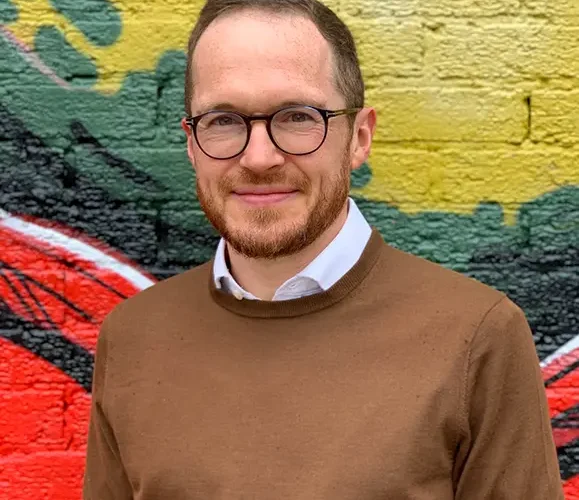
Rothera Bray’s Licensing Associate Lesley Harper discusses how the proposed Non-Surgical Cosmetic Procedures Bill in Scotland aims to overhaul how aesthetic treatments are delivered and could set a precedent for reform across the UK.
What’s changing in Scotland?
Following a major public consultation, the Scottish Government has confirmed it will introduce legislation to regulate both practitioners and premises offering treatments like Botox, dermal fillers, microneedling, and more.
Key reforms include:
Three-tier risk classification
- Group 1 (low risk): microneedling, non-ablative laser, allowed in licensed premises with trained (non-clinical) practitioners
- Group 2 (moderate risk): injectables like Botox and fillers. Must be supervised by a healthcare professional in a Healthcare Improvement Scotland (HIS)-regulated setting
- Group 3 (high risk): more invasive procedures, only by qualified clinicians in HIS-regulated clinics
Dual licensing system
- Both practitioners and premises will need licences, with local authorities and HIS authorised to inspect and enforce standards
Minimum age of 18
- No one under 18 will be allowed to undergo any non-surgical cosmetic procedure
New enforcement powers
- Local authorities and HIS will gain stronger tools to shut down unsafe or non-compliant providers.
These reforms are designed to bring aesthetic treatments in line with other regulated healthcare services and protect the public from unsafe or unethical practices.
Why this matters beyond Scotland
England and Wales currently lack a national licensing framework for aesthetic procedures. This regulatory vacuum means:
- unqualified individuals can legally administer injectables
- no consistent inspection regime exists
- public protection relies on civil claims, not proactive regulation
Scotland’s move sets a new benchmark. With the rest of the UK’s Government’s consultation on licensing still unpublished, pressure is mounting for similar reforms south of the border.
What should clinics, practitioners and advisors do now?
Whether you’re a clinician, business owner, or legal advisor, here are key questions to consider:
- does your treatment require a healthcare professional?
Medium and high-risk procedures may need clinical supervision or direct administration.
- is your premises inspection-ready?
HIS and local authorities will assess hygiene, record-keeping, and infection control.
- are your policies compliant?
Age verification, consent, safeguarding, and advertising standards will be under scrutiny.
- are you insured for the right jurisdiction?
New enforcement powers could affect liability and claims exposure.
The Non-Surgical Cosmetic Procedures Bill is expected to be introduced to Scottish Parliament before May 2026, with implementation likely to follow in phases.
Whether you’re preparing for compliance or advising clients, now is the time to act. Contact our Licensing team on 03456 465 465 or email enquiries@rotherabray.co.uk
Want updates, checklists, or training resources? Subscribe to our bulletin on aesthetic licensing and regulation.
Disclaimer: This article is for information only and does not constitute legal advice. If you need legal advice please contact us on 03456 465 465 or email enquiries@rotherabray.co.uk to get tailored advice specific to your circumstances from our qualified lawyers.