
In May 2025, the Environment, Food and Rural Affairs Committee (EFRA) urged the Government to delay changes to Agricultural Property Relief (APR) and Business Property Relief (BPR), and to reconsider the sudden closure of the Sustainable Farming Incentive.
Their message: farming needs a clearer, long-term plan. For some, that may include exploring alternative income streams, but caution is advised.
Trainee Solicitor Toby Byford in our Wills and Probate team breaks down what’s changing.
What are APR and BPR?
Currently, inheritance tax (IHT) is charged at 40% on estates above the tax-free threshold. However, APR and BPR can significantly reduce this burden:
- APR offers up to 100% relief on the value of agricultural land or pasture, depending on how it’s used
- BPR can provide up to 100% relief on business assets, such as shares in an unlisted company or land used in a business
In many cases, estates can benefit from both reliefs, potentially shielding large portions of agricultural and business property from IHT.
Read more about APR here.
What’s changing in 2026?
From April 2026, the Government proposes a cap on these reliefs:
- 100% relief will apply to the first £1 million of combined agricultural and business assets
- 50% relief will apply to the value above that threshold
Example:
If an estate includes £3 million in agricultural property and £2 million in business assets:
- £600,000 of the agricultural property and £400,000 of the business property would receive 100% relief
- The remaining £4 million would receive 50% relief
This change could significantly increase the IHT liability for larger estates, making early planning more important than ever.
The end of the Sustainable Farming Incentive and sustainable energy opportunities
The Sustainable Farming Incentive (SFI) was introduced in 2022 to reward farmers for adopting environmentally friendly practices, like reducing insecticide use and improving soil health. But in March 2025, the Government announced the scheme would be phased out, leaving many farmers without the funding they had planned for.
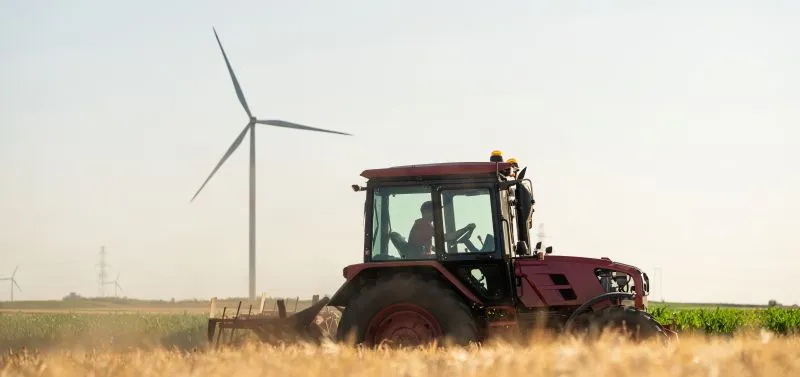
While some applications may still proceed, the future of environmental farming support remains uncertain. A revised scheme is expected later in 2025. Due to the uncertainties, some landowners are considering renewable energy, such as solar, wind or anaerobic digestion to diversify income and future-proof their estates.
Inheritance tax planning
Diversification into non-agricultural or non-business activities could risk the loss of APR and BPR depending on how the land is used and how “hands-on” the landowner remains in the business. For example, whether a solar or wind farm qualifies for BPR may depend on the level of involvement by the landowner and whether the activity is considered a trading business or investment.
Whilst we cannot advise on sustainable energy projects or the Sustainable Farming Incentive, we can work with your accountants and other advisors on the likely impact for IHT. This would include the availability of APR and BPR to ensure a joined-up approach to estate planning.
If you’re considering diversifying your land use or are concerned about the upcoming changes to IHT reliefs, we can help you understand the potential implications and plan accordingly.
For advice on navigating the complexities of inheritance tax when diversifying your land call us on 03456 462 126 or email enquiries@rotherabray.co.uk
Disclaimer: This blog is for information only and does not constitute legal advice. If you need legal advice please contact us on 03456 462 126 or email enquiries@rotherabray.co.uk to get tailored advice specific to your circumstances from our qualified lawyers.