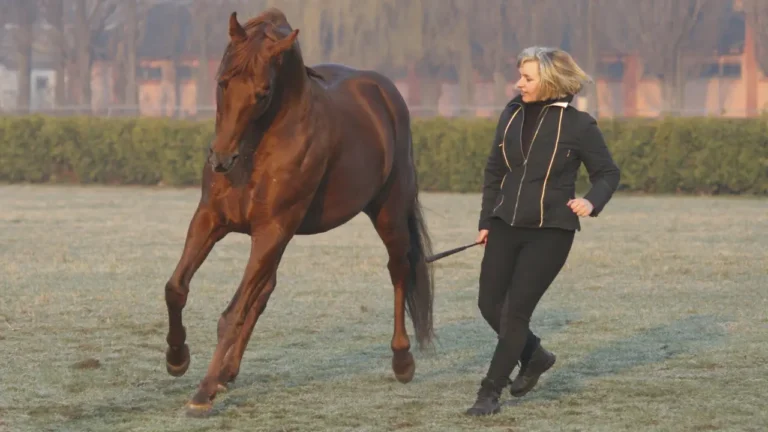
It’s an exciting but sometimes daunting step. Your horse is still physically and mentally developing, and for many owners this will be the first time they have entrusted him fully to someone else’s care. Understanding the legal and practical framework around training arrangements can help protect both you and your horse – and avoid misunderstandings later.
Should I have a contract, and what should it include?
Yes, a written contract is strongly recommended. Even where the trainer is reputable and well known, a contract provides clarity and protects both parties if expectations differ or something goes wrong.
A good training contract should include:
- The duration of the training period and how it can be extended or shortened
- The training aims, recognising that results cannot be guaranteed
- Fees, payment schedules and what those fees include (schooling, competition outings, livery type, farriery, etc.)
- Responsibility for routine costs such as shoeing, veterinary care and transport
- Who can make decisions in an emergency if you cannot be contacted
- Insurance obligations, including mortality, veterinary fees and public liability
- Notice provisions and the right to terminate early
- What would happen in the event that fees remained unpaid? Would the trainer be entitled to sell the horse to cover unpaid fees?
Clear, written terms reduce the risk of disputes and help ensure that both parties are working towards the same objectives.
Is there information I must disclose to the trainer?
You should disclose any information that could affect the horse’s handling, training or safety. This includes:
- Veterinary history, previous injuries or known weaknesses
- Behavioural issues such as rearing, bolting or loading problems
- Details of current tack, shoeing arrangements and dietary requirements
- Insurance information and any policy conditions
Failing to disclose relevant information can compromise your horse’s welfare and may also weaken your position if a problem arises later.
What if I am unhappy with how the training is progressing?
The first step should always be open communication. Progress with young horses is rarely linear, and what may look like lack of improvement may be a deliberate, careful approach by the trainer.
Arrange a conversation – and ideally a visit – to discuss:
- Your expectations versus the trainer’s assessment
- Whether goals need adjusting
- The possibility of observing the horse being worked
If concerns persist, your contract should provide a mechanism for early termination. This is one of the many reasons why it is crucial to have clear contract terms in place. Avoid abrupt removal unless welfare is at risk; professional dialogue usually leads to better outcomes for the horse.
What if my horse is injured during training?
Injuries can occur even with the greatest care. Typically, the trainer is only legally responsible if injury results from negligence – for example, unsafe facilities, inappropriate workload, or failure to follow reasonable instructions.
Your contract should clearly state:
- Who authorises veterinary treatment
- Who bears the financial responsibility
- Whether the trainer carries their own insurance.
Most owners rely on their own veterinary and mortality insurance, but it’s vital to check that the policy covers the horse while in professional training.
What if training ends early – by me or by the trainer?
Contracts should address both scenarios.
You may wish to terminate early due to:
- Financial pressures
- A change in circumstances
- Concerns about suitability
Equally, a trainer may conclude that the horse is not physically or mentally ready to continue within the agreed time frame. This is not necessarily a failure – often, it reflects responsible horsemanship.
Notice periods, fee adjustments and the horse’s return arrangements should all be set out in advance to avoid disagreement.
What if I am unhappy with my horse’s condition or training outcome on return?
Disappointment alone is rarely enough to justify legal action. Training involves professional judgment, and there can be no guarantee of competition readiness or specific results.
However, you may have grounds for complaint if:
- The horse has suffered a loss of condition inconsistent with proper care
- Training methods clearly departed from what was agreed
- Welfare standards were compromised
Begin by raising concerns directly with the trainer. If necessary, written evidence – photographs, veterinary reports, or witness statements – will be crucial.
Contracts often require disputes to be addressed through discussion or mediation before formal legal steps are taken.
If you need legal advice on equine law contact Rothera Bray’s Equine Law team on 03456 465 465 or email enquiries@rotherabray.co.uk
Originally written by Caroline Bowler at Rothera Bray and published in British Dressage Magazine 2026. Reproduced with kind permission from British Dressage Magazine.
Disclaimer: This blog is for information only and does not constitute legal advice. If you need legal advice, please contact us on 03456 465 465 or email enquiries@rotherabray.co.uk to get tailored advice specific to your circumstances from our qualified lawyers.