Notice of Intended Prosecution
Expert guidance when responding to a Notice of Intended Prosecution
What is a Notice of Intended Prosecution?
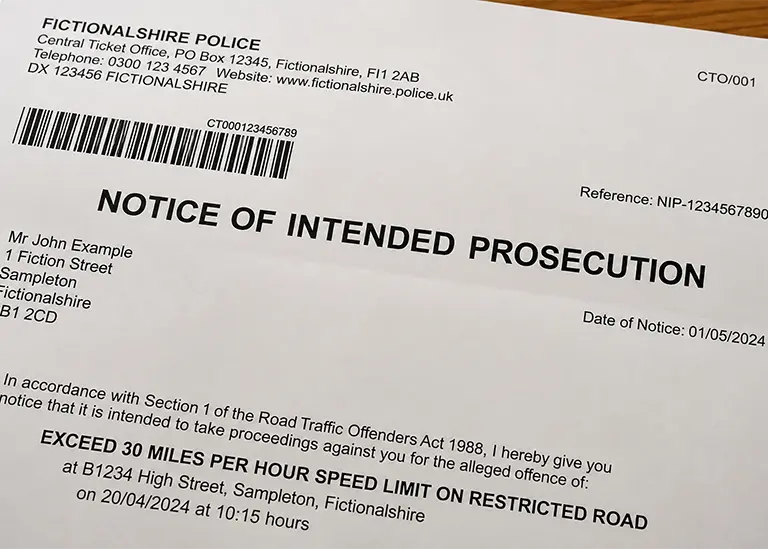
A Notice of Intended Prosecution (NIP) is a notice issued by the police to the owner or registered keeper of a vehicle informing them that they face prosecution for a motoring offence. Sometimes they call it an ‘Intention to Prosecute’ or similar.
This typically includes offences such as:
driving whilst using a mobile phone
If you believe that you’ve received an NIP that you’re not guilty of – or if you need any other advice about motoring offences – our team of experienced solicitors are here to support you. If necessary, we’ll defend you in court.
On this page
How will I receive a Notice of Intended Prosecution?
An NIP can either be given verbally by police at the time of the actual offence if they stop you, or if they did not stop you then you will receive it by post within 14 days of the alleged offence.
What information will the NIP contain?
It will contain details including the nature of the offence for which prosecution is being considered, the time and date of the offence, the vehicle involved and the location where the offence took place.
Are there any offences under which I wouldn’t receive an NIP?
You will not receive a Notice of Intended Prosecution if you were involved in an accident as your knowledge that you were involved in the accident is considered notification that an offence was committed.
What if I received the NIP after the 14 day window?
You might receive the NIP later than 14 days after the alleged offence took place because the police could not trace the registered keeper of the vehicle in time to issue the notice within 14 days. For example, if the registered keeper is not recorded on the DVLA’s database.
In rare cases, a late receipt of an NIP could invalidate it. Speak to one of our motoring lawyers to find out.

I believe I've committed an offence, so why haven’t I received an NIP?
You might not have received a NIP in the post because the police stopped you at the time of the offence and issued you a notice verbally.
If you committed a speeding offence the police may offer you a speed awareness course or a fixed penalty of three points and a £100 fine. For more serious speeding offences you could be issued with a Single Justice Procedure Notice (SJP).
What should I do if I have received a Notice of Intended Prosecution?
If you’ve received a Notice of Intended Prosecution you should respond to it within the 28 day timeframe. Failure to do so is considered an offence and could result in your driving licence being endorsed with six penalty points.
So if you’re unsure about the Notice, give us a call as soon as you can. We’ll advise you whether you should dispute it.
What happens after I've responded to the NIP?
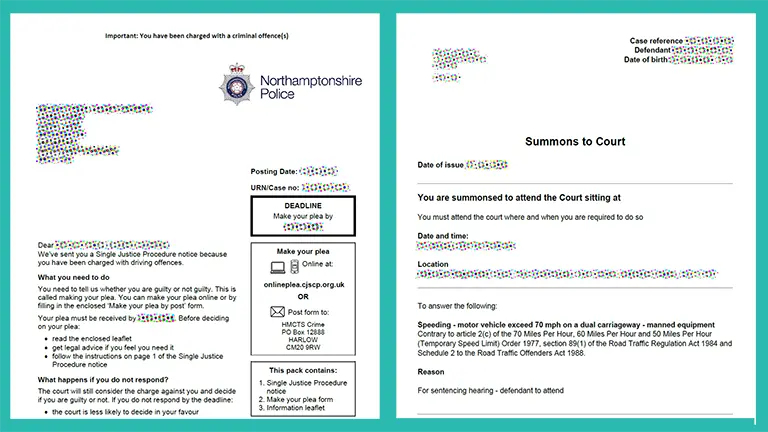
Dependent on the offence you are likely to receive a Single Justice Procedure (SJP) notice which will detail your options, such as pleading guilty or not guilty. You will then receive a summons to court.
Could receiving an NIP mean I’m disqualified from driving?
Your risk of being disqualified depends on the severity of the offence and whether you already have any points on your driving licence. You might face a short disqualification for speeding far in excess of the limit, or be disqualified for six months if you have 12 or more points on your licence.
Get in touch to find out more. We have a range of fixed-fee services: please see visit our specialist motorist website for more information:
Speak to us about your Notice of Intended Prosecution - we'll determine whether disputing it would be worth your time and money.